Have you ever noticed that you look dull and washed out when wearing certain colors, while others make you look vibrant and stunning? This isn’t just your imagination, there is a perfectly
logical explanation, and it all has to do with color theory.
A color analysis session with us will embrace this theory to identify and help you to recognise which colors bring out your natural radiance, allowing you to create a wardrobe that emphasises
your beauty.
The Science
Behind It
We all have unique chromatic characteristics and globally there is a wonderful variety of skin tones, hair colors and eye colors.
With such a vast variety of colors and shades, it makes sense that some people will be more suited to certain colors than others.
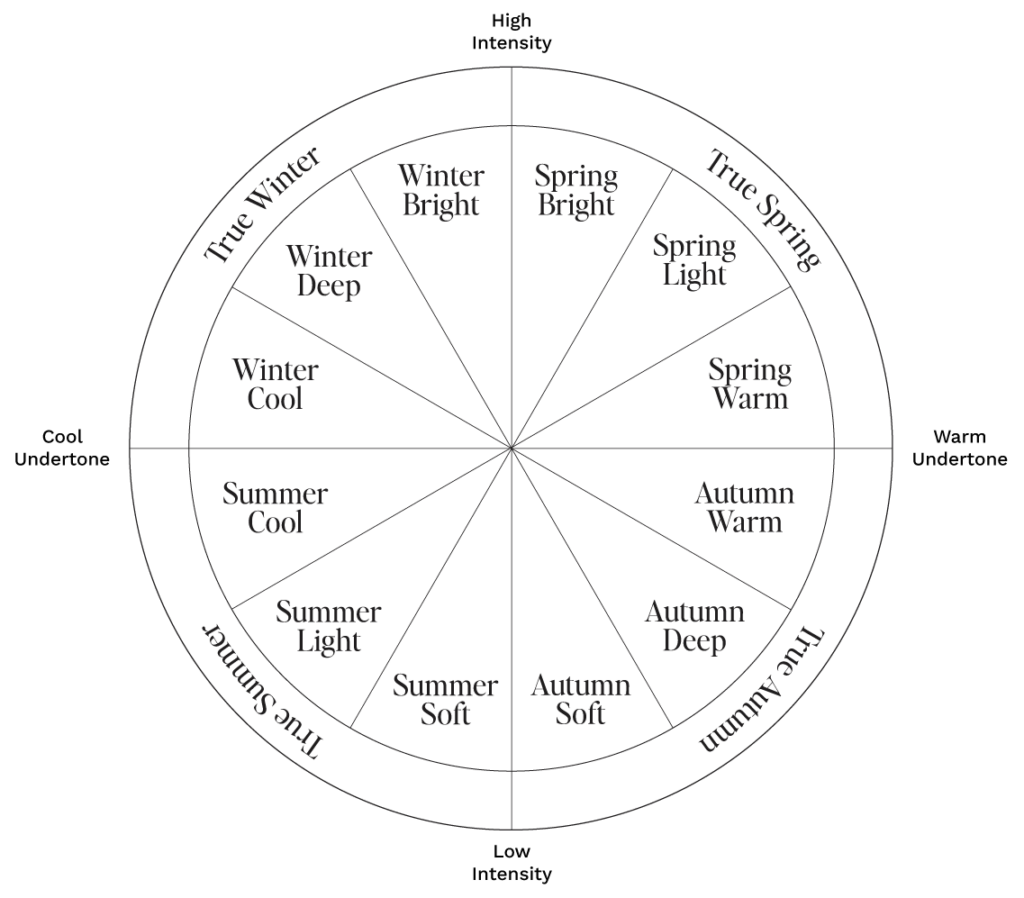
By breaking color down into three main characteristics (warm vs cool, bright vs soft and light vs deep), color analysis allows us to determine which combination of these characteristics best
suit you!
The three main
characteristics of our color
Undertone – Warm or Cool:
This is the most foundational element. Your skin’s undertone helps determine whether warm hues (like golden, peachy tones) or cool hues (like icy blues or pinks) harmonise best with your natural coloring. It's not about how light or dark your skin is it's about the subtle tones underneath.
Depth – Light or Deep:
Depth refers to how light or dark your overall coloring is, including your hair, eyes, and skin. Lighter individuals typically suit soft, airy colors, while deeper-toned people glow in richer, darker hues.
Clarity – Clear or Soft:
Clarity is all about contrast and vibrancy. If you have high contrast between your features (like bright eyes and dark hair), clear and bold colors will suit you. If your features blend more gently, softer, more muted tones will be more flattering.
Seasonal Color Analysis: Spring, Summer, Autumn and Winter
We all have unique chromatic characteristics and globally there is a wonderful variety of skin tones, hair colors and eye colors.
With such a vast variety of colors and shades, it makes sense that some people will be more suited to certain colors than others.
By breaking color down into three main characteristics (warm vs cool, bright vs soft and light vs deep), color analysis allows us to determine which combination of these characteristics best suit you!
What will your season be?
The Process
Explained
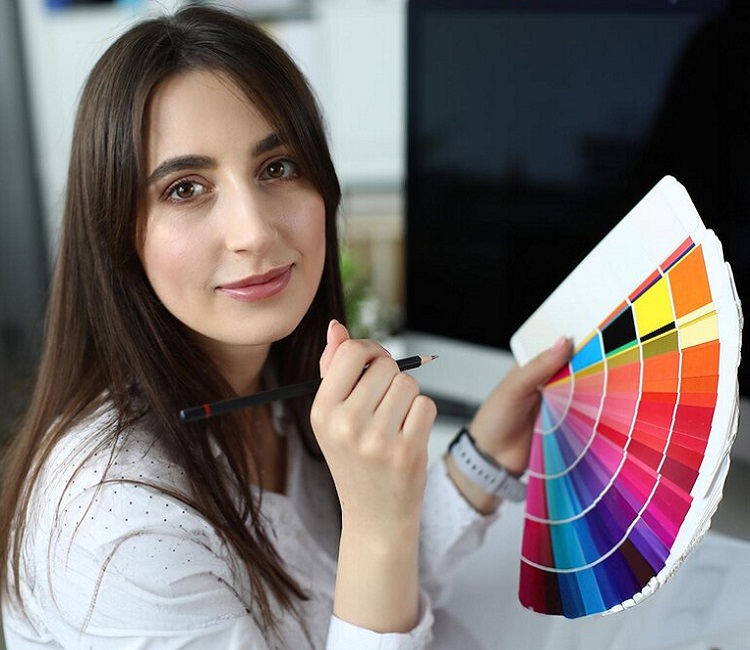
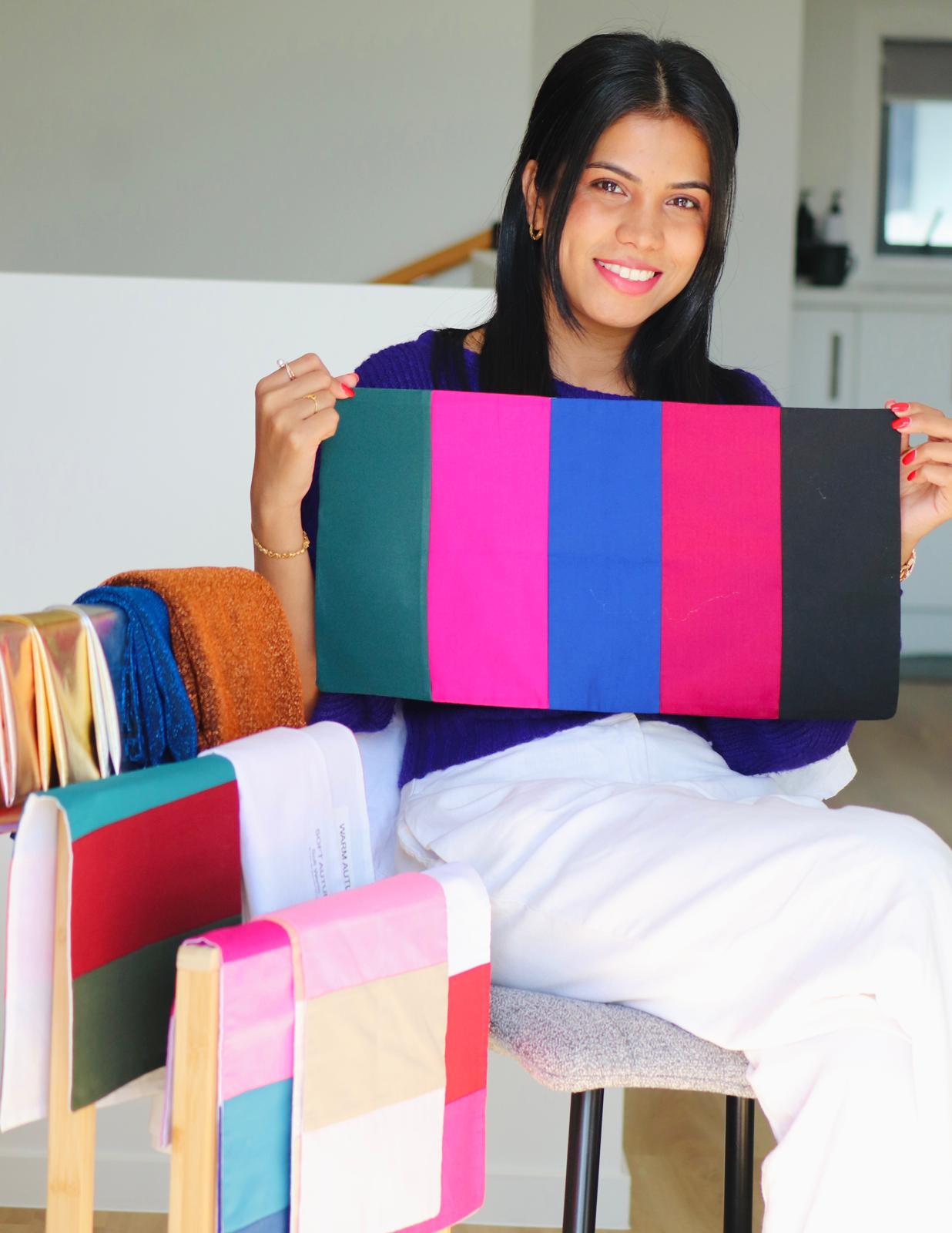
Our process is based around in-person and digital draping, where we compare a series of carefully selected colors and observe how your complexion reacts. Using our expertly trained eye to eliminate
the colors that drain color from you and keeping those that brighten you up, we are able to identify your undertone (warm or cool), intensity (bright or soft) and value (light or deep) to assign you
one of our 16 seasonal profiles.
When your clothes and accessories are all within your color palette, they naturally mix and match making outfit planning faster, easier, and always stylish.
No more impulse buys or unworn clothes. You’ll shop with clarity and purpose, choosing only pieces that highlight your best features and make you feel amazing.
Feel Confident About
your Uniqueness
Being aware of your color palette gives you the power to feel more beautiful and harmonious. You’ll discover amazing chromatic features that you naturally have and that maybe you are not aware
of… yet! Stop trying to blend in or to reach unachievable beauty standards. Embrace your color palette and celebrate the beauty of your natural colors.
Shop Less and
Better
Once you discover your palette, it will be easy to identify colors that suit you and avoid those that don’t. You will shop less and better!
Create a Smarter
Wardrobe
All colors within a palette match one another. Therefore, a wardrobe in palette is easy to manage because it contains fewer items that are easily combined.
Case Studies: Transformations Through Color Analysis (before/after)